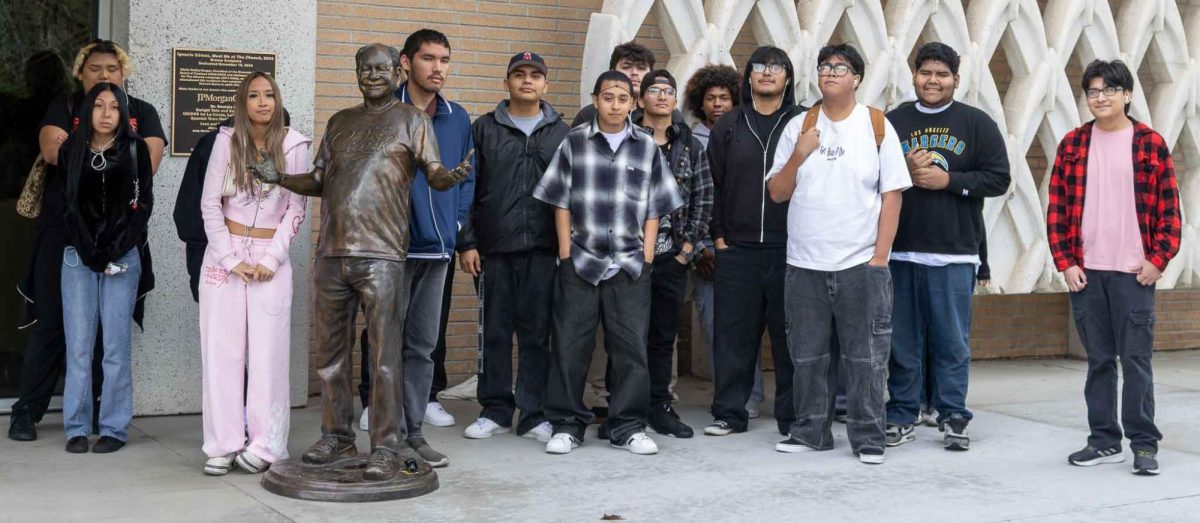
The Cheech Marin Center for Chicano Art and Culture, affectionately known as The Cheech, stands as a landmark institution in Riverside, California. It holds the distinction of being the first museum in the United States permanently dedicated to the showcase and preservation of Chicano and Mexican-American art.
For the students who attended this field trip, the visit was more than just an outing; it was an immersive dive into a narrative that is often sidelined in traditional art history. Much of the museum’s prestige comes from its foundational source: the private collection of actor Cheech Marin. While many recognize Marin from his 1970s stardom as half of the comedy duo Cheech and Chong, he has spent decades as a serious patron of the arts, becoming a well-renowned actor, comedian, and author. His collection is considered one of the most comprehensive of its kind in the world.
By bringing these pieces to a public center, Marin has helped shift Chicano art from the underground into the prestigious halls of a formal museum. Inside the galleries, students were lucky enough to explore works that did not shy away from the harsh realities of the Chicano experience. The artwork serves as a visual record of the systemic struggles and social prejudices faced by the community due to their heritage and race alone. Many of the pieces captured the difficult experiences people go through in their day-to-day lives, acting as a mirror to the students’ own world. One particular piece resonated deeply with the group: a large-scale depiction of Mexican-American street vendors. The art portrayed these hardworking individuals, who provide traditional treats to their neighborhoods, being arrested while their livelihoods were dismantled by workers in hazmat suits. This striking imagery sparked a profound sense of familiarity among the students, many of whom felt a connection to their own pasts or family histories.
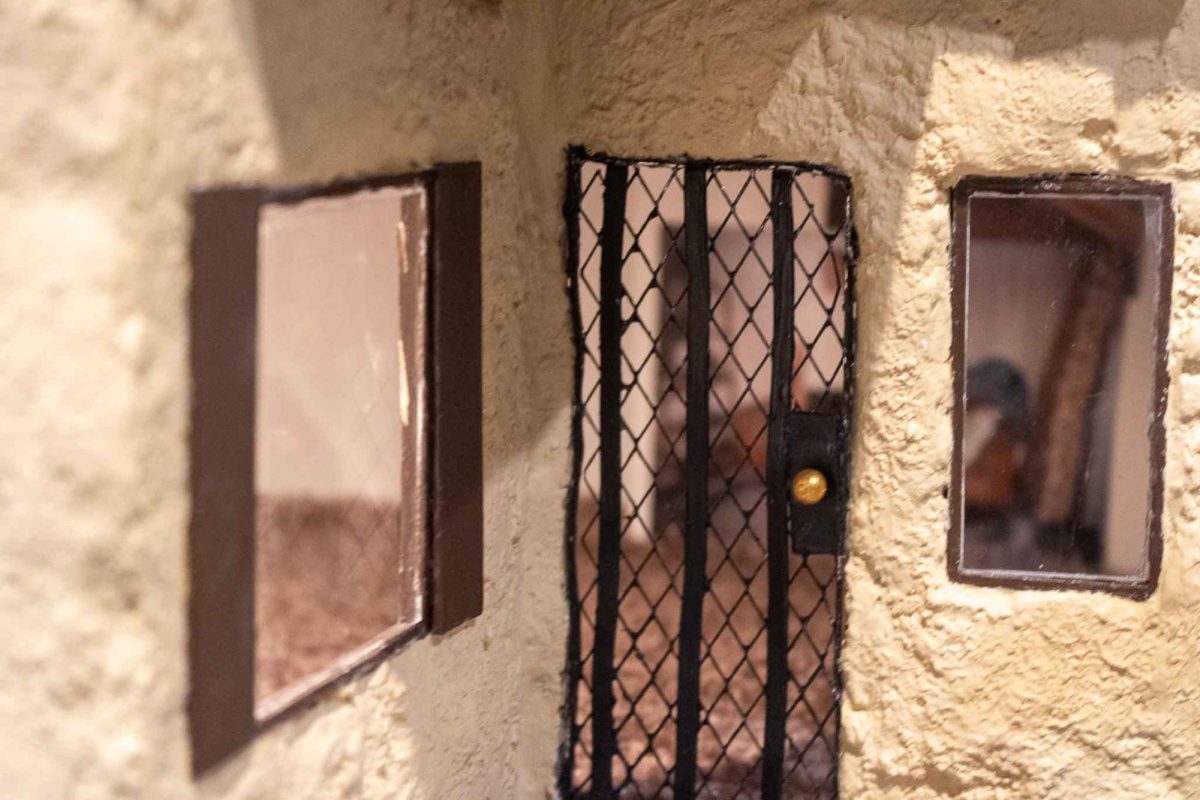
The highlight of my personal walk through the exhibit was my experience studying Frank Romero’s “Arrest of the Paleteros” (1996) because it reminded me of the “rospados” man who used to come around my street. He was an older man who kind of disappeared during the pandemic. His daughter, I’m told, has taken his place and pushes the cart, but no one knows what happened to her father, and everyone is afraid to ask. We’ve been left with this deep and lasting wondering about what might have happened to him.
The experience concluded with an interactive workshop where students were led into a room to create their own art. They were encouraged to draw inspiration from a featured exhibit that chronicled a mother’s journey to and life in America throughout several decades. This activity allowed students to translate their own stories of sacrifice and resilience into a tangible medium, much like the professional artists they had studied earlier in the day.
Address: 3581 Mission Inn Avenue, Riverside, CA 92501
Phone: (951) 684-7111