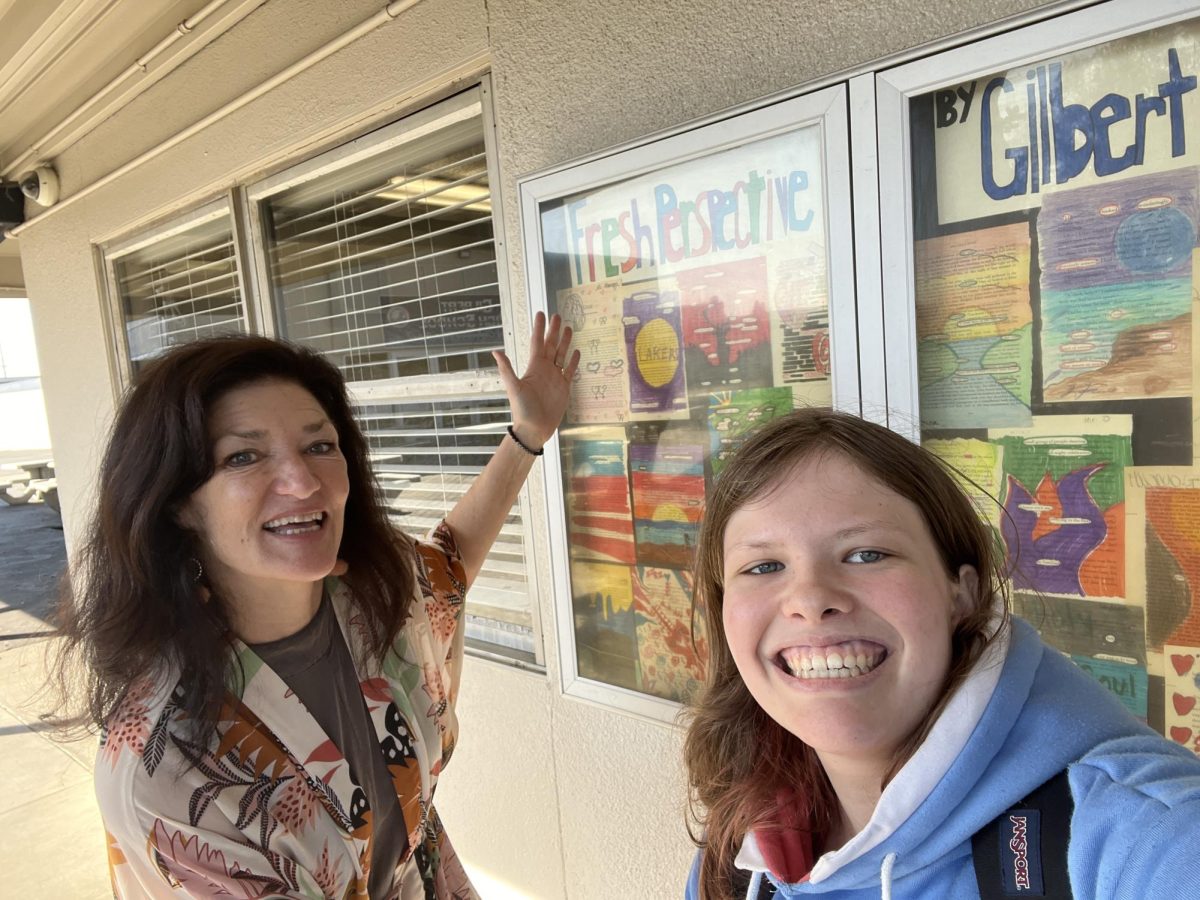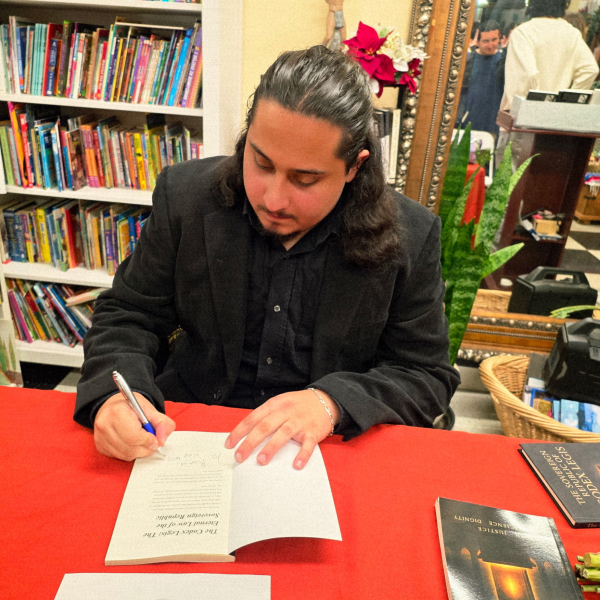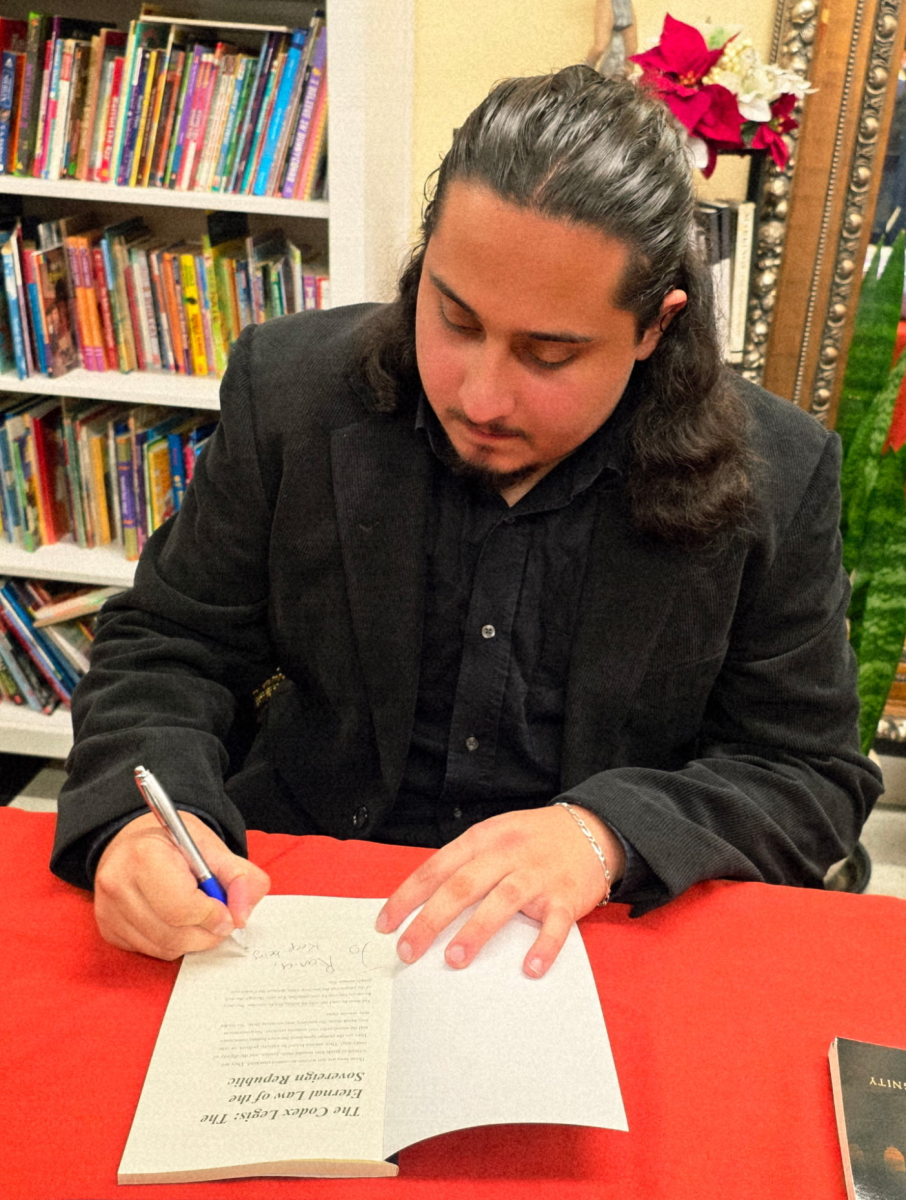
Imagine your story on the pages of a book. What would you write, what would it look like, and what would your story be called? Imagine yourself at a book signing, greeting readers eager to meet you and get your autograph. As you write your final drafts of your Gilbert Story, remember the goal is to share your truth in your own unique voice with others. Be yourself and Write on!
Here is my story below called “From Kitchens to Classrooms”
“Go get hot water.”
That is one of the first sentences I clearly remember hearing as a child.
I was about seven years old, standing in my family’s apartment in Egypt at around three in the morning, trying to understand why everyone in the building had suddenly woken up. A loud crowd had gathered in the street below. People were yelling, pushing, and trying to damage the small shops beneath our apartments. Lights turned on across the building as neighbors stepped onto their balconies. Someone shouted, another ran inside, then came back with a pot of boiling water and threw it down toward the crowd. Soon others did the same. Within minutes, the entire building seemed to be participating in an improvised neighborhood defense system. People ran between kitchens and balconies carrying pots of hot water like it had become a coordinated plan. My father turned to me and told me to bring him hot water too. At seven years old, I did not fully understand what was happening. I just knew something was wrong, something dangerous was happening outside, and that every family in the building had united to protect where we lived.
Not long after that night, my family immigrated to the United States. Like many immigrant families, we restarted life from the beginning. My parents left behind their careers and stability so my brother and I could have better opportunities. After moving between states, we eventually settled in Southern California. Starting over in a new country is a long process. The language, culture, and even daily routines feel unfamiliar. During those years I also dealt with a serious illness that forced me to slow down and reflect in ways most kids do not have to.
School was another challenge. For a long time I struggled academically and lacked motivation, often feeling like I was drifting without direction. That began to change when I transferred to a continuation school. I became involved in journalism, social justice, and public speaking, and for the first time I felt like my ideas mattered. At graduation I was chosen to serve as Master of Ceremonies, and standing in front of my classmates changed how I saw myself. I remember thinking, “Wait, maybe I actually do have a voice.” It was the first time I believed my future was something I could shape.
After high school, life quickly reminded me that realization does not pay the bills. My family needed support, so I entered the restaurant industry as a dishwasher. It was not glamorous, but it was honest work. Over time I worked my way up to head cook and later chef. At first I loved it. Cooking allowed me to express creativity in a way I had never experienced before. My family has always been artistic in different ways, and cooking became my outlet.
But the professional kitchen is not a peaceful artistic environment. It feels like chasing something going 150 miles per hour. Orders arrive constantly, people shout across the room, timers go off, and every plate must be perfect and immediate. Seventy-hour workweeks became normal. Some nights I left between three and five in the morning, completely exhausted. Eventually my body reached its limit. After having a seizure caused by extreme exhaustion, I was forced to stop and rethink my direction.
During that time I realized something simple: sometimes even the things you love can destroy you if you never slow down.
So I returned to school. I enrolled at Cerritos College and studied business administration, focusing on accounting. It offered structure and stability. Numbers follow rules. Systems make sense. For a while my plan was clear: finish accounting, transfer, and become a CPA.
Then something unexpected happened. I took a political science class where the professor taught as if he were the philosopher of the week. At first I listened like everyone else. Then I started arguing with the ideas in my head. “That cannot be right.” “What about this?” “How do we know that is true?” For the first time, learning felt like an active search instead of memorization. Around that time I also published a book exploring ideas about justice and society, and writing forced me to organize my thinking.
Then one day, sitting in the back of my final accounting class, a thought crossed my mind:
“This is boring.”
Accounting offered stability, but not purpose. I had to ask myself, “Am I choosing this because I love it, or because it feels safe?” After reflection and conversations with mentors, I made a decision that surprised many people. I changed my major to philosophy.
Philosophy challenged me in ways nothing else had. It forced me to confront questions people have asked for thousands of years: What is truth? What is justice? How should people live?
To explore those questions further, I started a philosophy blog, now called Attalla Essays, where I write about truth, justice, theology, and human life. Writing helps me clarify my thinking and engage with ideas without pretending to have every answer. My long-term goal is to become a professor of philosophy. Real change rarely comes from one person alone, but education can influence generations.
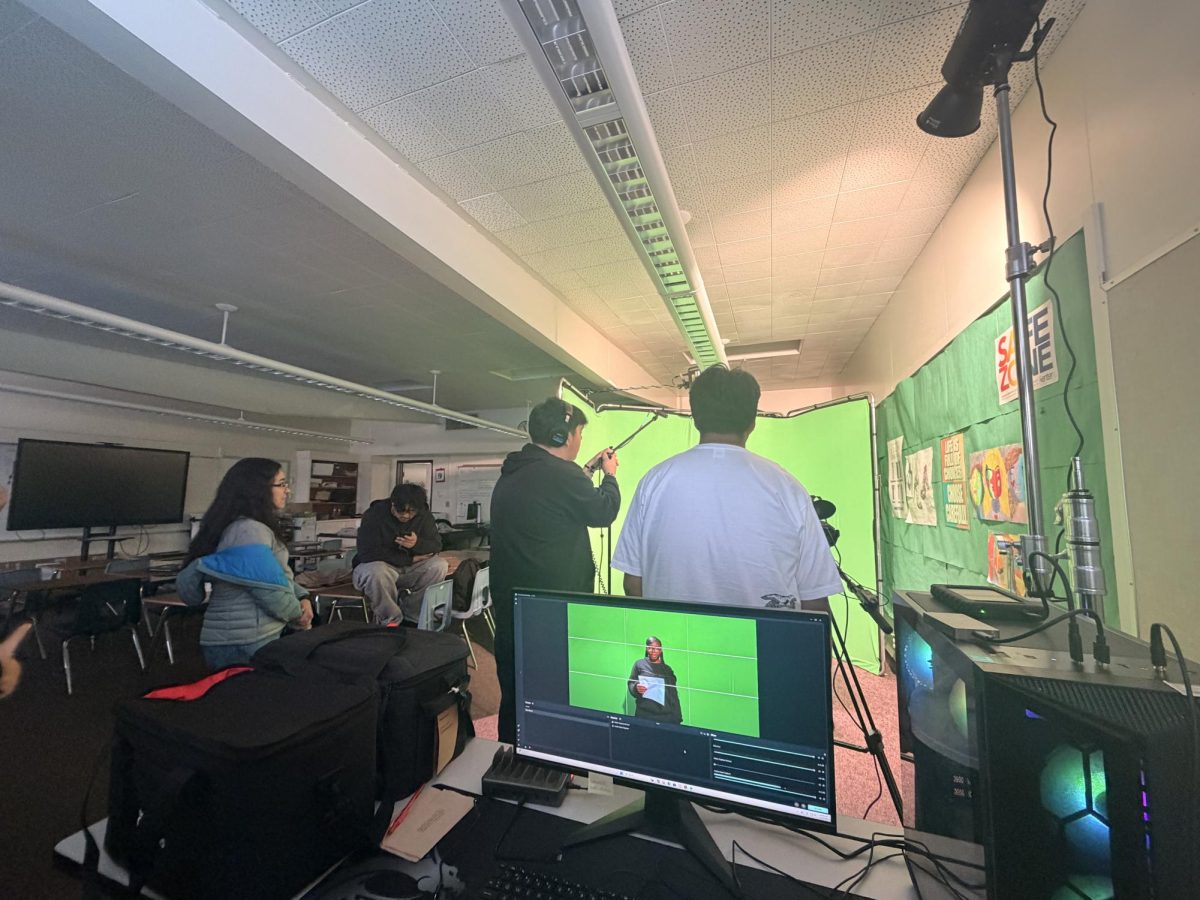
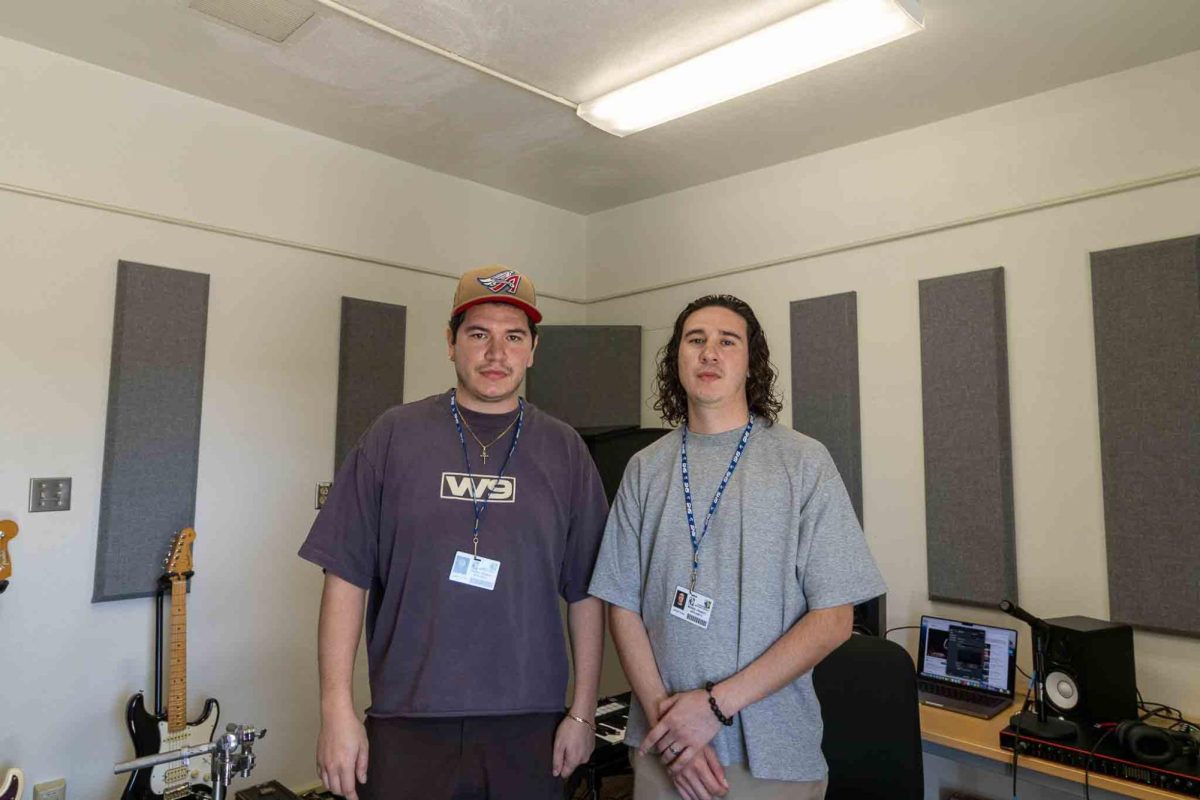
Today I serve as an Arts Assistant at Gilbert High School, helping students with creative projects and encouraging them when challenges feel overwhelming. Being part of this community reminds me that every student has their own story. Some involve struggle, some discovery, and most involve both.
Looking back, from that night in Egypt to long nights in restaurant kitchens to discovering philosophy, I see a life shaped by unexpected turns. None of those turns were part of a perfect plan, but they taught me something important: perseverance matters more than certainty. Life rarely moves in a straight line. Paths change, plans fall apart, and sometimes we are forced to begin again. But if we keep moving forward, even the most difficult moments can become the beginning of something greater.
In the end, the lesson that ties everything together is not only perseverance, but love, love for truth, love for people, and love for the life we are given.
“To be the cause of love is a great wisdom. If you destroy love, you will destroy and overthrow everything. If the likeness of love has such power, what must the true love itself be?”
— St. John Chrysostom